Recapping Athene Watershed26
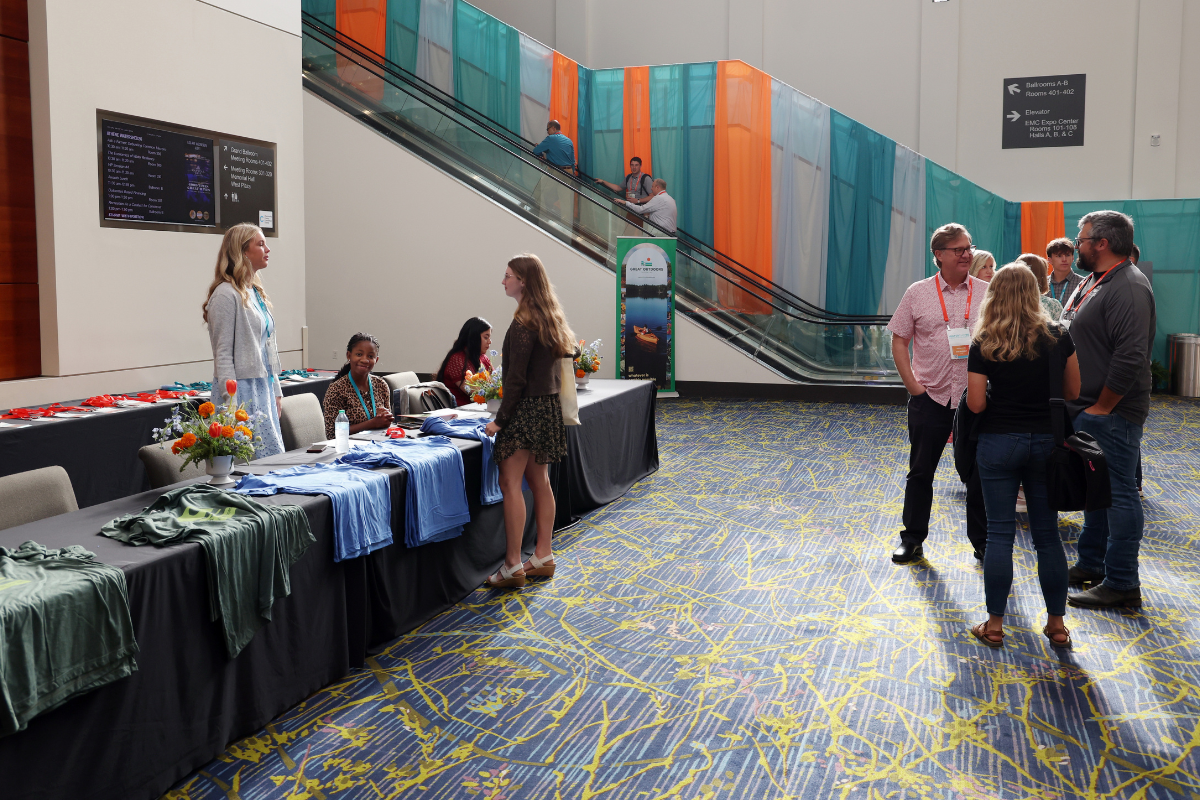
It is no secret that the Midwest is experiencing extreme environmental challenges, not least among them being water quality. Once a niche conversation, concern for water quality has risen to mainstream consciousness in recent years. Seeking to help find answers and create solutions, the Great Outdoors Foundation (GOF) developed Athene Watershed26, an inaugural water quality summit at the convergence of agriculture and conservation.
Held in Des Moines, Iowa on June 30 and July 1, 2026, Watershed26 gathered attendees around a common goal: faster action and greater collaboration for water quality. Unlike typical conferences, Watershed26’s audience was not only one region or industry. Instead, representatives from more than 20 states and territories joined from a variety of sectors including farming, conservation, science, financing, nonprofit, and government.
Content Tracks
Watershed26 was organized in four main tracks: Emerging Voices, Finance Solutions, Science & Data, and Stacked Benefits. More than 30 organizations served on conference committees, helping develop a master slate of sessions and speakers.
Emerging Voices
This track elevated the next generation of leaders, storytellers, and trailblazers shaping the future of conservation and agriculture. With personal narratives, fresh perspectives, and timely questions, these sessions highlighted how important new voices are influencing both culture and practice within the conservation space.
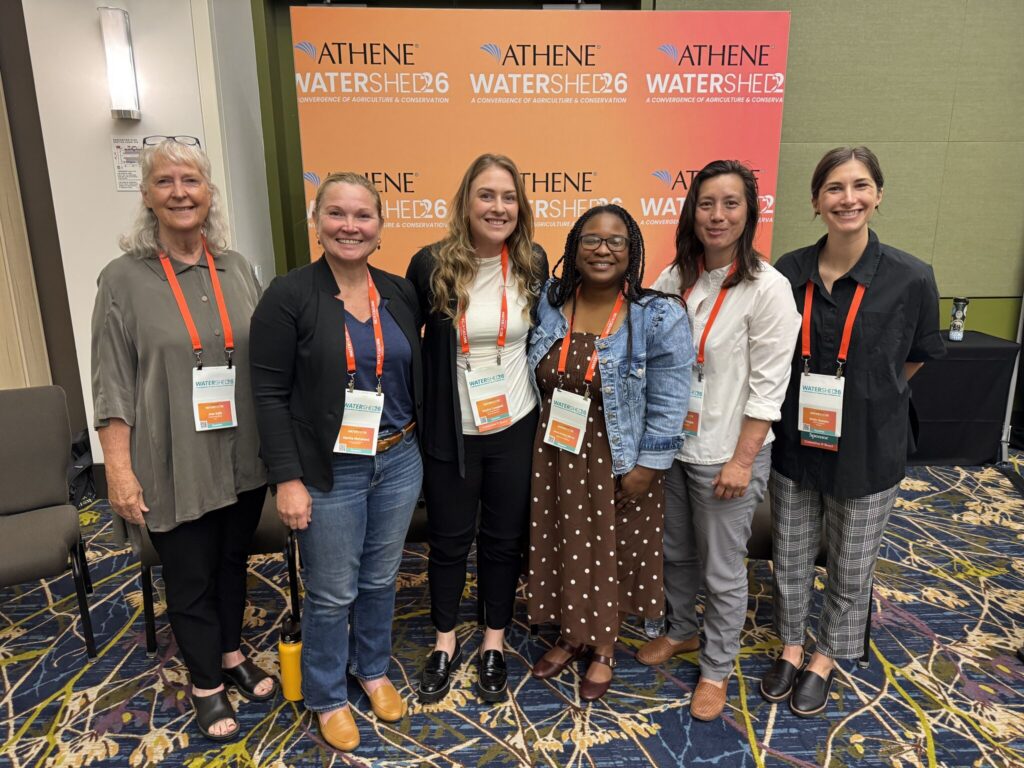
Speakers from the ‘Unlikely Allies: Women Shaping the World of Conservation & Agriculture’ session
Finance Solutions
This track explored the financial tools, incentives, and market-based approaches that make conservation scalable and sustainable. Sessions focused on innovative funding models, cost-share programs, and emerging markets that align economic viability with environmental outcomes.
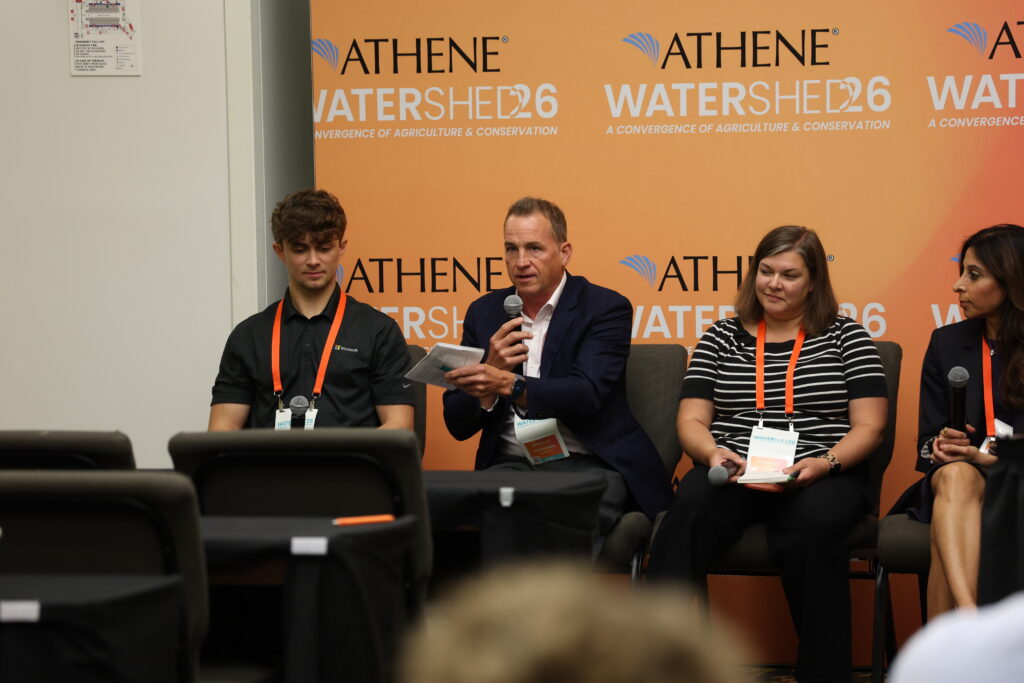
Speakers from the ‘Outcomes Based Financing’ session
Science & Data
Grounded in research and real-world application, this track highlighted the science, data, and technical approaches transforming conservation. These sessions explored how data informs decision-making, measures outcomes, and supports the continuous improvement of conservation systems.
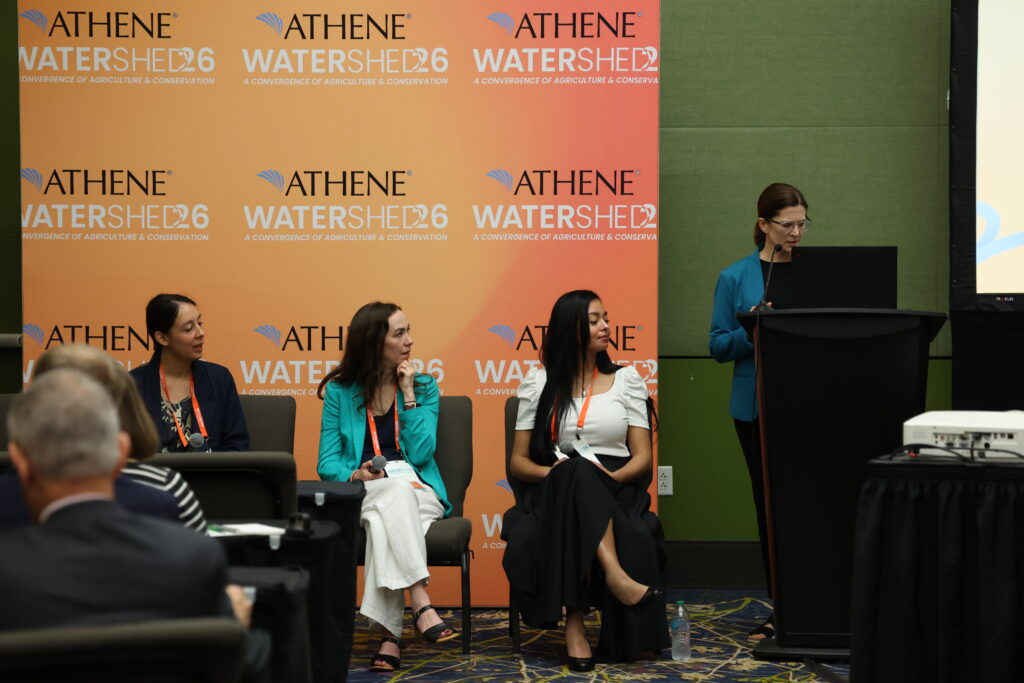
Speakers from the ‘Water Quality & Public Health’ session
Stacked Benefits
Focused on maximizing outcomes, this track highlighted how conservation practices deliver multiple environmental, economic, and social benefits to our communities simultaneously. Sessions discussed conservation connected to funding, investments, water quality, recreation, and more.
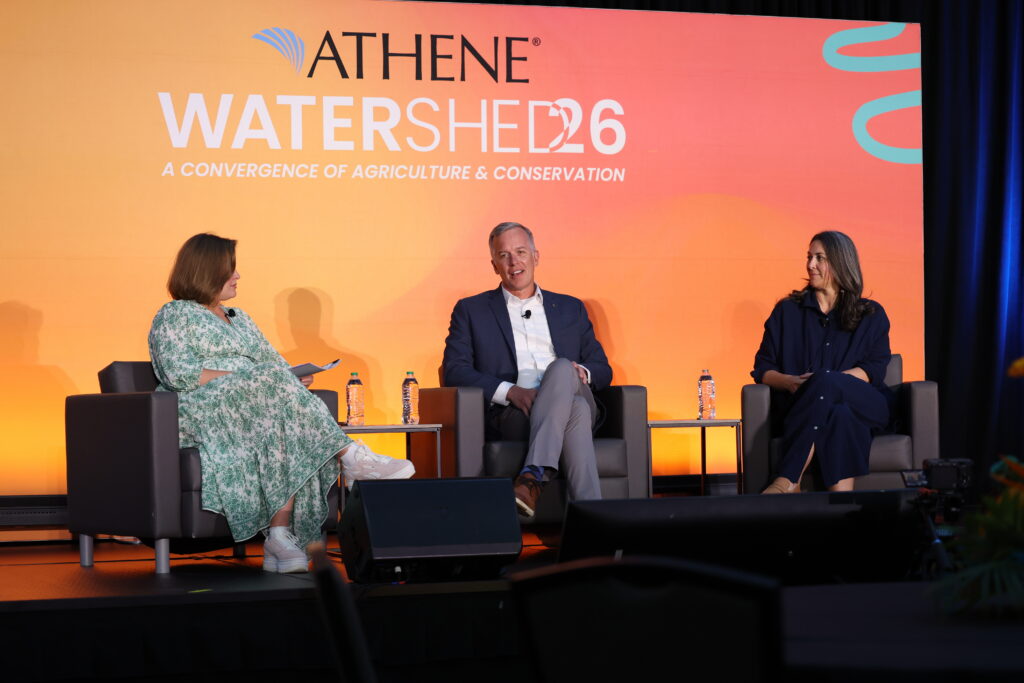
Speakers from the ‘Recreation as a Catalyst for Conservation’ session
CREATIVE CONSERVATIONIST AWARDS
The Creative Conservationist Awards recognize individuals and organizations that are driving meaningful conservation outcomes through innovative thinking, strong partnerships, and dedicated stewardship. Honorees were recognized during the awards lunch at Watershed26.
Individual – Rebekah Jones
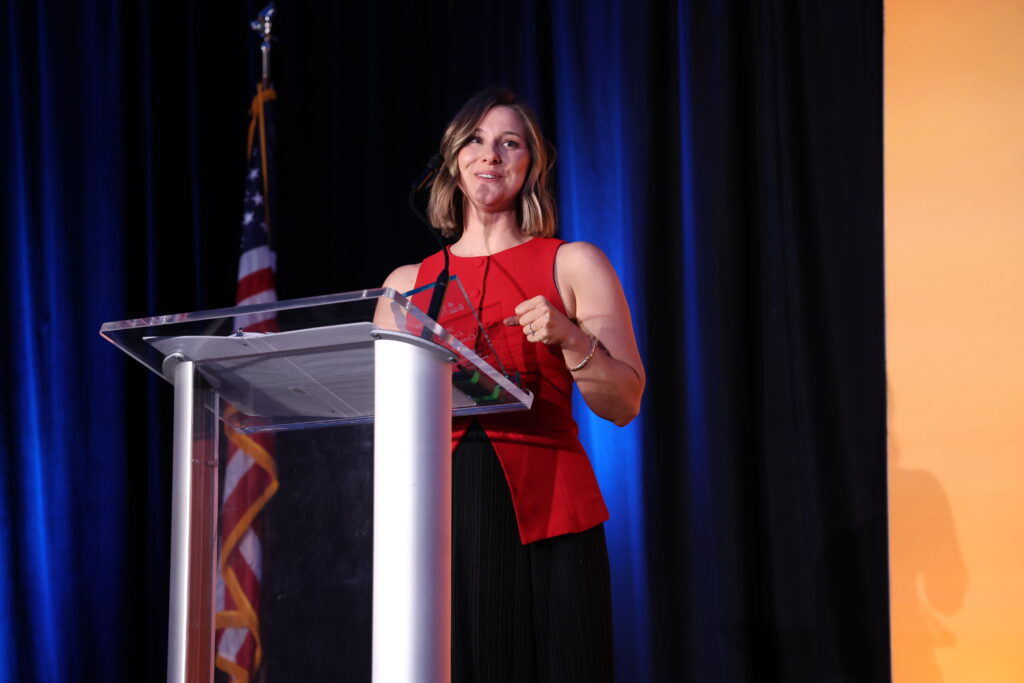
Rebekah Jones, Communications Director for the Iowa Agriculture Water Alliance (IAWA)
Rebekah Jones has transformed conservation communications in Iowa, developing innovative tools and strategies that help farmers better understand and access conservation opportunities. Her work includes nationally recognized digital tools such as IAWA’s website and cost-share comparison resources, which simplify the process of identifying conservation funding opportunities for farmers.
Group – Heartland Co-op Conservation Agronomy Team

Ruth McCabe speaks for the Heartland Co-op Conservation Agronomy team
The Heartland Co-op Conservation Agronomy Team has emerged as a statewide leader in conservation implementation and partnership-driven programming. The team’s accomplishments include helping facilitate approximately 400,000 acres of cover crops, supporting more than 2,000 acres of no-till and strip-till practices, and advancing numerous edge-of-field conservation practices, including saturated buffers, bioreactors, wetlands, and streamside buffer strips.
CONVERGENCE: THE CONSERVATION AG ACCELERATOR
Also in its inaugural year, Convergence: The Conservation Ag Accelerator is a pitch competition for forward-thinking companies and organizations developing products, services, and technologies that support conservation on agriculture land. GOF awarded $65,000 to top place finishers, reinforcing our organizational commitment to fostering collaboration and driving conservation investments.
First Place
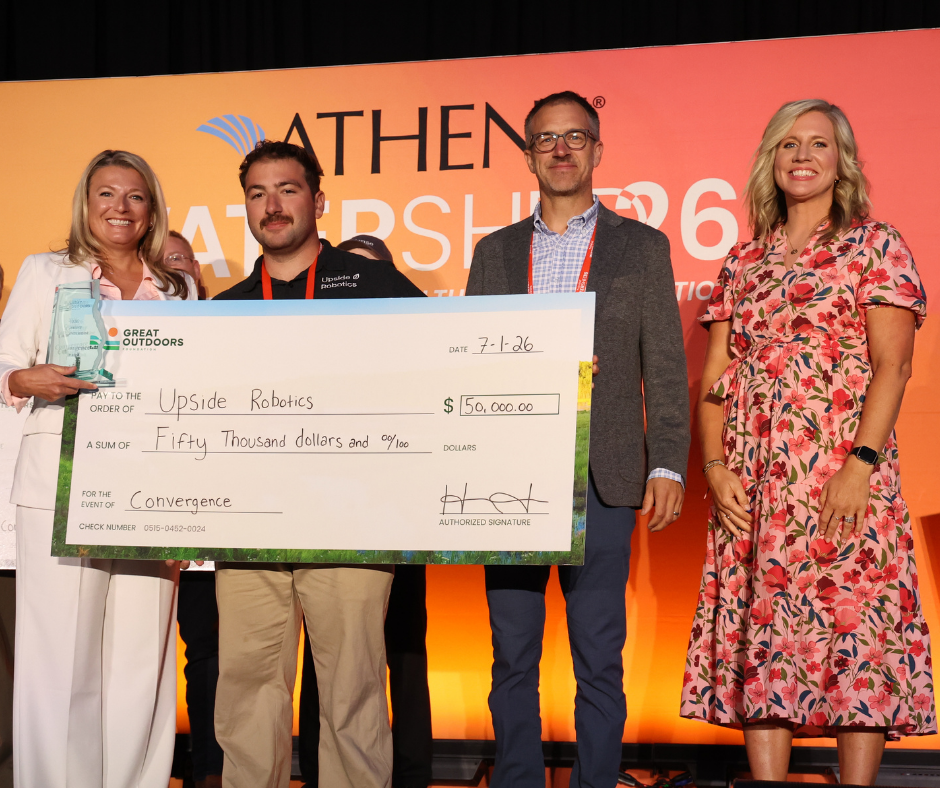
Upside Robotics is harnessing the power of physical AI to solve agriculture’s sustainability challenges. Using small autonomous robots, Upside Robotics delivers precision application of agricultural inputs. Residing in fields 24/7, the robots apply nutrients directly to the root zone of plants in up to 20 splits across the growing season. Their proprietary algorithms combine live soil, weather, and crop-stage data to continuously adjust application rates, timing, and placement. Since their first growing season in 2024, Upside Robotics has worked closely with farmers to ensure the technology is bringing measurable value to real agriculture situations.
Second Place

SoilSerdem LLC provides software tools that help agronomists and agricultural retailers scale precision agriculture services through better geospatial data management and analysis. Founded in 2020, their company supports data ingestion, scrubbing and analysis with the following tools:
• Soil Map Engine (SME), which creates high resolution, accurate soil test nutrient maps so agronomists can apply the right fertilizer rate at the right place.
• Yield Editor 3 to streamline harvest data preparation & analysis.
• Dynamic Management Zones (DMZ) which enables users to combine accurate soil nutrient maps and harvest data with other spatial data to optimize management zones that reduce under and over application of fertilizers
Third Place
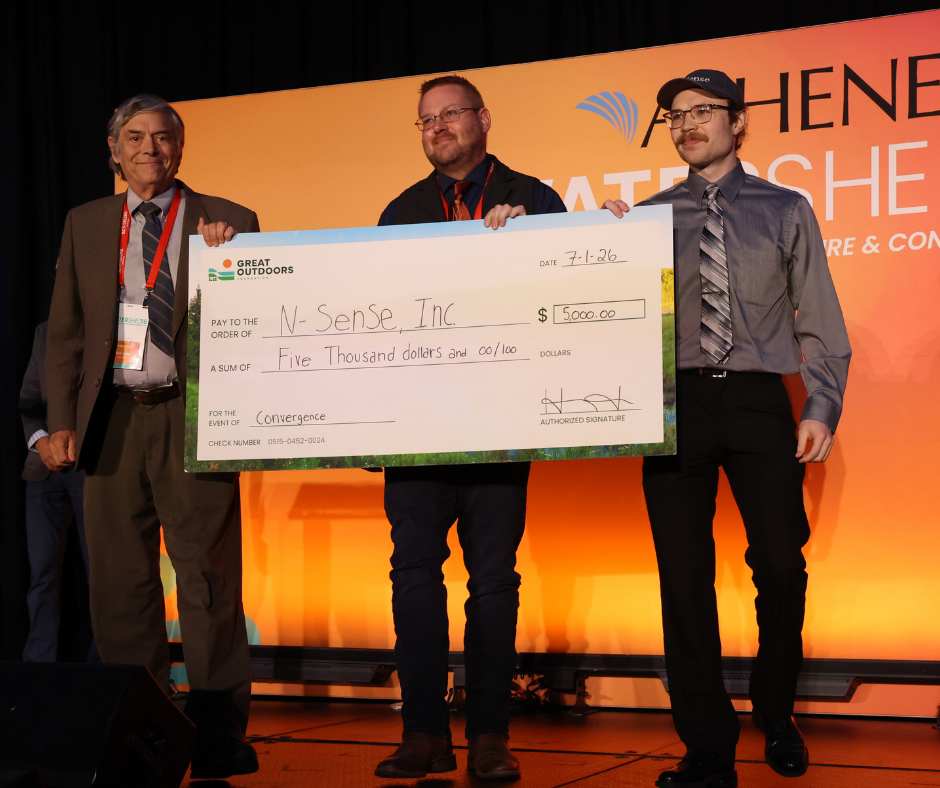
N-Sense, Inc is advancing precision nutrient management through proprietary nitrate sensing technology and AI-driven agronomic modeling. Founded in 2017 in Ames, Iowa, their Precision Fertilizer Management system uses machine learning software to integrate geospatial analysis of soil, terrain, hydrology, and cropping systems data with automated, and in the future autonomous, soil nutrient sensing data. With this information, farmers are able to apply precise amounts of fertilizer, lime or biochar to specific sections of field to match crop needs at the current growth stage.
Watershed26 Strategic Action Plan
The two days at Athene Watershed26 built energy, momentum, and excitement — but they were just the beginning. The Watershed26 Shared Action Plan is a strategic document meant to align the many people, organizations, and investments already working towards improved water quality and conservation in our region. Developed with input from the Watershed26 committees, this document reflects a shared appetite for accelerated conservation agriculture adoption, improved watershed health, strengthened rural economies, and aligned public-private investment. The Shared Action Plan will also serve as a roadmap to Watershed27, helping track success and areas for continued growth.
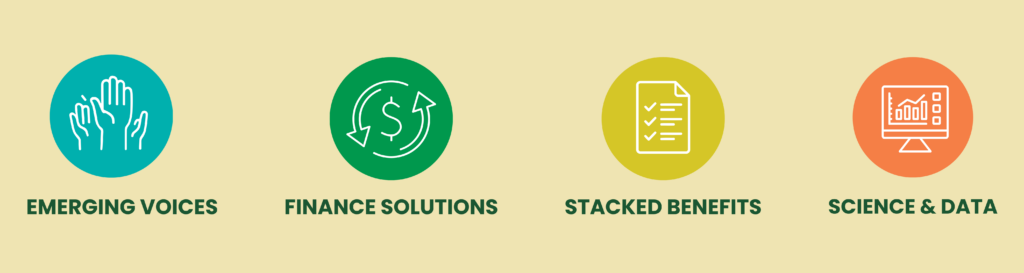
Similar to the conference content tracks, the Shared Action Plan is broken into four strategic pillars: Emerging Voices, Finance Solutions, Science & Data, and Stacked Benefits.
View the full Shared Action Plan on our webpage.
The Great Outdoors Foundation is incredibly grateful to the partners, sponsors, attendees, and speakers who helped us make Athene Watershed26 and the Shared Action Plan possible. The challenges ahead of us will require all that we have, and we’re ready to give it all we’ve got — together.